Human Insight in Management and Technological Progress
Introduction
I have often been asked about the origin and meaning of the quote on my profile. Years ago, I encountered a situation where it was necessary to gather and manage data from a processing facility. This data was crucial, as it provided the real-time information necessary for effective quality control.
For years, there was a constant struggle to ensure operators and managers were entering accurate data into the facility’s legacy system. Consequently, a push began to create a new system featuring the latest PLC controls to provide this data to upper management. Developing this impressive system took years and millions of dollars.
My objection to this plan was that our issue was not with the data technology, but with management itself. The existing culture prevented us from receiving accurate information because we had never held management accountable. I argued that a new system would only add a layer of complexity to a process already hampered by leadership shortcomings.
Despite my concerns, the project moved forward, and the new, incredible system was finally rolled out. After some fine-tuning, we began receiving data, yet it remained riddled with inaccuracies due to the unresolved management issues. Years later, variances in the data have continued to increase exponentially, rendering the substantial investment seemingly wasteful.
The Philosophy Behind the Quote
This experience inspired the quote:
“Within the intricate dance of progress, where machines mirror our own creation, the true art of management lies not in the control of mechanisms, but in understanding the self – for it is in the depths of human insight that the greatest systems find their harmony and purpose.”
Many years later, I still believe this holds true. When I talk about progress, especially in the context of technology and society, I am referring to a complex and dynamic process. It is akin to a dance—an apt metaphor that conveys the idea of movement, rhythm, and a series of choreographed steps. This dance of progress isn’t linear; it involves forward leaps, occasional stumbles, and sometimes, steps backward. Each movement reflects the interplay between different forces, ideas, innovations, and the societal contexts from which they emerge.
The Role of Human Insight
Despite living in an era of rapid technological advancements, the essence and success of true management and leadership remain deeply rooted in human insight and self-awareness. Management and leadership should not be based solely on technical prowess or mechanical systems.
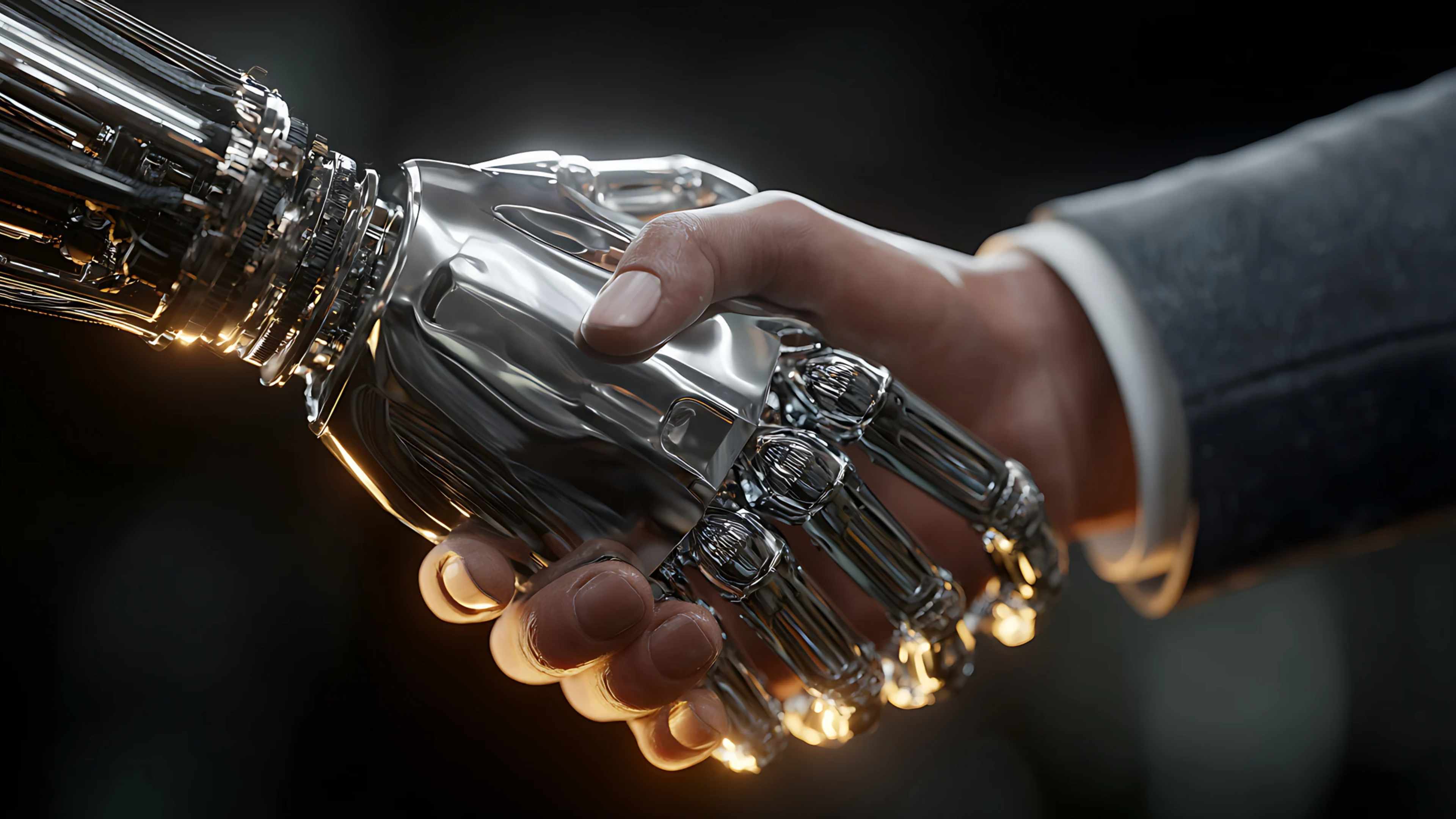
Machines, in their myriad forms—from the simplest tools to the most complex artificial intelligence systems—reflect human ingenuity. They are not merely inanimate objects but extensions of human thought, embodying our creativity, problem-solving abilities, and even our aspirations. This perspective challenges us to view technology not merely as a means to an end but as a mirror reflecting our collective and individual capacities for innovation.
The Art of Management
As suggested, the essence of management is not rooted in the ability to control these technological extensions. While technical skills and the ability to oversee mechanical and digital processes are important, they do not constitute the core of effective management. Instead, the artistry of management is found in a deeper, more introspective understanding of the self.
The call to understand the self is a call to introspection. It is about recognizing and acknowledging one’s emotions, motivations, and behaviors, and understanding the profound impact these have on decision-making, leadership, and interpersonal relations. This self-awareness is indispensable for managers and leaders, as it forms the basis upon which empathy, ethical leadership, and emotional intelligence are built. The ability to lead others, inspire innovation, and drive change starts with an inward journey—understanding one’s values, biases, strengths, and areas for growth.
Conclusion
The culmination of this introspective journey and the understanding of human nature is what breathes life into the systems we create, be they technological, organizational, or societal. Systems, no matter how advanced, find their true harmony and purpose when they are guided by human insight. This human element infuses systems with relevance, making them responsive to human needs, adaptable to change, and sustainable over time.
It is the depth of human insight that ensures systems serve not just economic or functional purposes but also contribute to the greater good, enhancing the quality of life and fostering a sense of community and belonging.
Navigating the complexities of a modern world where technology is central, my quote serves as an expression that effective management and leadership fundamentally emanate from the depths of our human essence. It is in understanding ourselves, our shared humanity, and the intricate dance of progress that we can truly harness the potential of technology to create systems that reflect our highest aspirations, serve our deepest needs, and embody the harmony and purpose we seek in our lives and work.
Facility Thoughts
Strategies for the built environment. If you found this article valuable, let's continue the conversation.
Connect on LinkedIn